


PARAFAST INFUSION contains Paracetamol which belongs to the group of medicines called Analgesics and Antipyretics. It is used for short-term treatment of moderate pain (especially after surgery) and fever when administered by the intravenous route is clinically justified.
Before receiving PARAFAST INFUSION, inform your doctor if you have heart, lung, liver or kidney problems or if you suffer from alcoholism or alcohol abuse, malnourishment and severely low blood volume due to dehydration or blood loss.
PARAFAST INFUSION should be used with caution in pregnant and breastfeeding women only if clearly advised by the doctor. PARAFAST INFUSION should be used with caution in children and elderly patients.
The most common side effects of receiving PARAFAST INFUSION are nausea, vomiting, headache, sleep problems and itching. Inform your doctor if any of these side effect worsens.
USES OF PARAFAST INFUSION
- For short-term treatment of moderate pain (especially after surgery) and fever
HOW PARAFAST INFUSION WORKS
GBNKEYWORD] relieves pain by increasing the pain threshold by inhibiting certain enzymes (COX-1 and COX-2) involved in the synthesis of chemicals responsible for inducing pain (prostaglandins). It reduces fever by directly acting on heat-regulating centers in the brain, resulting in vessel relaxation, sweating and loss of body heat.
DIRECTIONS FOR USE
PARAFAST INFUSION will be given to you only by a doctor or a nurse into the vein as an intravenous infusion. Your doctor will decide the correct dose and duration for you based upon your age, body weight and disease condition.
SIDE EFFECTS OF PARAFAST INFUSION
COMMON
- Nausea, vomiting, constipation
- Headache
- Sleep problems
- Itching
RARE
- Feeling generally unwell
- Drop in blood pressure
- Abnormal levels of liver enzymes
Inform your doctor immediately if you experience any of the following side effects while receiving PARAFAST INFUSION:
- Serious allergic reaction or skin rash
HOW TO MANAGE SIDE EFFECTS
Nausea or vomiting:
Stick to simple meals while receiving this medicine. Avoid eating oily rich, fried or spicy foods. Do not lie down or sleep immediately after eating. Inform your doctor if the symptom does not improve.
Constipation:
Try to eat more high-fibre foods such as fresh fruit, vegetables, cereals and drink plenty of water. If this does not help, inform your doctor to receive alternate treatment for constipation.
Headache:
Drink ample amount of water and avoid skipping meals. Get adequate rest. Try to be relaxed and stress-free. Apply pain relieving balm on your forehead if necessary. Inform your doctor if the symptom does not improve.
WARNING & PRECAUTIONS
PREGNANCY
PARAFAST INFUSION should be used with caution in pregnant women only if considered clearly necessary. Your doctor may use the lowest possible dose to reduce the pain and fever only for shorter duration in pregnant women. Consult your doctor before receiving it.
BREASTFEEDING
PARAFAST INFUSION can be used in breastfeeding women only if considered clearly necessary. Consult your doctor before receiving it.
ALCOHOL
PARAFAST INFUSION should be used with caution in patients with alcoholism or those who suffer from alcohol abuse.
KIDNEY
PARAFAST INFUSION should be used with caution in patients with kidney disease. Consult your doctor before receiving it.
LIVER
PARAFAST INFUSION is not recommended for use in patients with severe liver disease. It should be used with caution in patients with liver disease. Consult your doctor before receiving it.
ALLERGY
Do not receive PARAFAST INFUSION if you are allergic to Paracetamol, propacetamol or any other ingredients of this medicine.
LUNGS
Repeated use of PARAFAST INFUSION is not recommended for use in patients with lung disease. Consult your doctor before receiving it.
OTHERS
PARAFAST INFUSION is not recommended for use if you:
- Have anaemia
Before receiving PARAFAST INFUSION, inform your doctor if you:
- Have severe hypovolemia (low blood volume due to dehydration or blood loss)
- Have chronic malnutrition
Use in pediatrics:
PARAFAST INFUSION should be used with caution in children and your child’s doctor may adjust the dose depending upon the child’s age and body weight. Consult your child’s doctor for advice before administration of PARAFAST INFUSION.
Use in geriatrics:
PARAFAST INFUSION should be used with caution in elderly patients. Consult your doctor before receiving it.
INTERACTIONS
A. Drug – Drug interactions:
Before receiving PARAFAST INFUSION, inform your doctor if you are taking any of the following medicines:
- Other medicines containing paracetamol or propacetamol
- Probenecid (used to treat gout)
- Medicines used for blood thinning (Ex. warfarin)
Overdosage:
PARAFAST INFUSION will be administered to you only by a doctor or a nurse in a hospital and so it is unlikely to receive an overdose. However, consult your doctor if you experience any unusual symptoms such as nausea, vomiting, anorexia (eating disorder), paleness, stomach pain and a risk of liver injury.
Related products
-
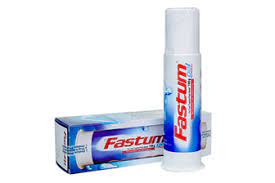
FASTUM GEL
KSh1,250.00Add to cartFastum Gel is a pain-relieving medicine. It is used to relieve the pain of soft tissue injuries, and acute strains and sprains. It also use to treat inflammation and other painful conditions of the bone or muscle. Fastum Gel is only meant for external use and should be used strictly as advised by your doctor. …
-
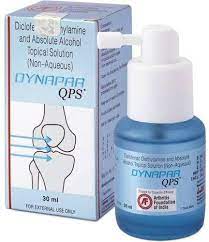
DYNPAR SPRAY
KSh690.00Add to cartAbout Dynapar QPS Solution 30 ml Dynapar QPS Solution 30 ml is used to relieve pain and inflammation associated with musculoskeletal disorders, strain, sprain, arthritis, and low back pain. Musculoskeletal pain could occur due to arthritis, osteoporosis, fractures, dislocations, problems with the bone structure, or injury to the bones, joints, tendons, muscles, and ligaments. Dynapar …
Top rated products
-
 BENASTEN MIXI CREAM
KSh150.00
BENASTEN MIXI CREAM
KSh150.00
-
 Asomex Lt 50Mg/5Mg/2.5Mg Tablets
KSh2,730.00
Asomex Lt 50Mg/5Mg/2.5Mg Tablets
KSh2,730.00
-
 Benylin Dry Cough Syrup 100Ml
KSh615.00
Benylin Dry Cough Syrup 100Ml
KSh615.00
-
 ENCARDIL 10MG
KSh550.00
ENCARDIL 10MG
KSh550.00
-
 Plendil 10Mg Tablets
KSh2,140.00
Plendil 10Mg Tablets
KSh2,140.00
Reviews
There are no reviews yet.